





Posted 12 years ago
susanne1128
(1 item)
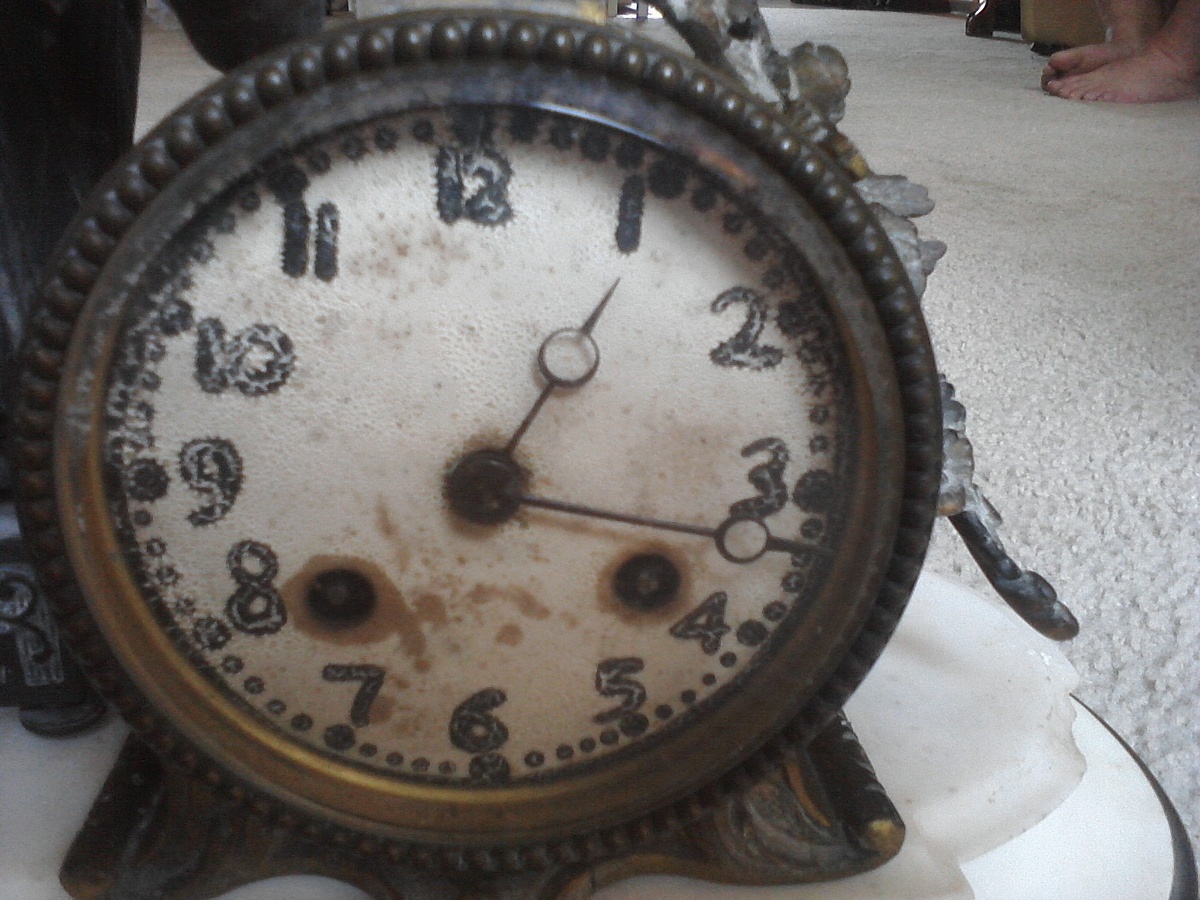
I am looking for more information on clocks similar to this one. It is a marble mantle clock, with a bronze figure. I believe it to be European from the early 1800's. It was sent to the US by a soldier who shipped it back piece by piece. I would love to see others like it and share info.




I know nadda about these, but I'm sure someone that collects these types of clocks, will surely chime in on this one. Thank you for sharing this piece and the story on how it arrive in the US.
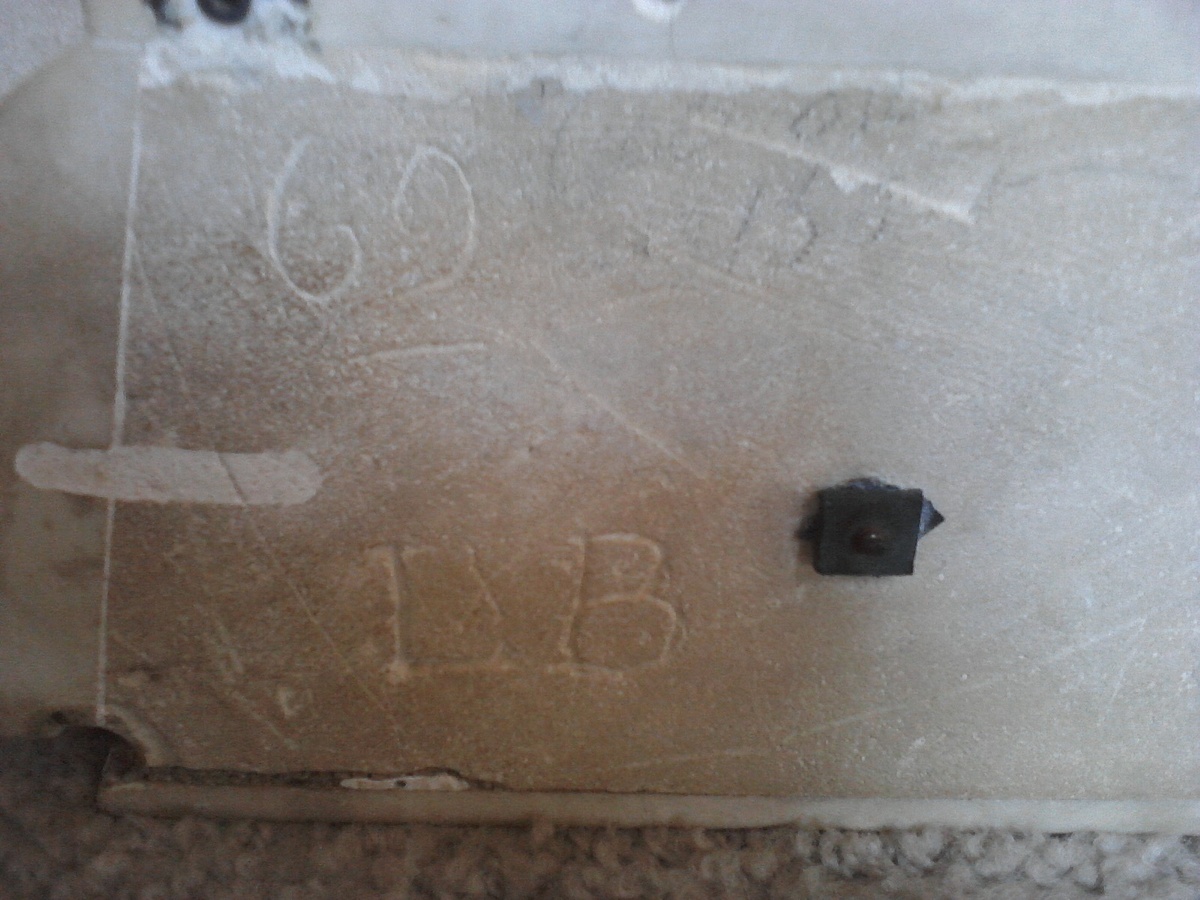
Like kerry, I don't know much about clocks other than I know what I like and I think this one is wonderful! I have NO idea but right or wrong, when I see marble, I always think Italy first. Are there ANY markings of any kind on anything inside of the clock? The clock people will really need those to be able to help you. And are there any markings on the reclining figure anywhere? I'll be anxious to see what you find out about this lovely clock!
Based upon the provenance information it's a safe bet that the clock is European. Could be Italian, could be French. Their marble/figural clocks were also prevalent.
The clock "tower" may be missing something. It's impossible to tell from the photos but the fit and finish of the tower top, or urn-like finial strikes me as very unusual.
Collectors might find the following additional information helpful:
Any and all information printed, stamped or labeled on the dial, movement, case and pendulum. This includes names, trademarks, serial/model/patent numbers and dates. If the cup bell can be safely unscrewed from its mounting bracket, you might find some information behind it stamped into the movement's brass plate. Don't force anything and if you're uncomfortable trying to remove the bell, don't attempt it.
This information could be very helpful, but it probably will not lead to a definitive model or date. Because of the World Wars, records of early European clocks are very spotty. Reference materials are frequently not translated, indexed nor cross-referenced. Furthermore, French movements were cased by a large number of "cottage industry" artists/case makers.
Good luck
A lovely French clock!