Articles & Interviews
Showing 25 articles & interviews for "Hartley Wood Glass"Figured Glassware and Where It Came From
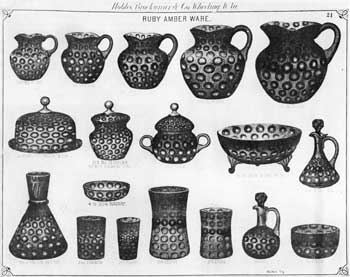
This article focuses on the history of glassware, especially pressed and flint glass, noting the first major manufacturers that produced the glass and where they were located. It originally appeared in the July 1944 issue of American Collec… Read more »
The Colors and Forms of Early American Pattern Glass

In this interview, Elaine Henderson discusses the history and varieties of Early American Pattern Glass (EAPG), and gives advice to new collectors. Elaine's Pattern Glass School is a member of our Hall of Fame. Read more »
Rob Niederman Focuses on Antique Wood Cameras

In this interview Rob Niederman talks about collecting antique wood cameras from the late 1800s. Based in Minnesota, Rob can be reached via his website, Antique and 19th Century Cameras, which is a member of our Hall of Fame. Read more »
American Cut Glass, From Flint to Brilliant

Barbara Meek talks about the history of cut glass, the patterns, and the major turn-of-the-century manufacturers. Barbara is the president of the Florida (Sunburst) chapter of the American Cut Glass Association, which is a member of our Hal… Read more »
Glass Knobs from Sandwich and Elsewhere

This article describes the evolution of the style and patterns of cut glass knobs, which came into use for drawer knobs in the 18th century, and notes some specific designs by Sandwich. It originally appeared in the May 1939 issue of Americ… Read more »
Great Glass Coffin Scam: When Hucksters Sold the Fantasy of Death Without Decay

The American Way of Death Read more »
Getting Lost in Strathearn Art Glass Paperweights

In this interview, Richard More talks about collecting art glass paperweights, including the history of the Ysart family, other popular Scottish paperweight producers, and the different paperweight designs available. Located in Kansas, Rich… Read more »
The Iridescent Charms of Carnival Glass

Glen and Steve Thistlewood share their lifelong research on Carnival Glass, its manufacturers, social history, and varying shapes, patterns, and colors. Based in England, Glen and Steve have recently completed a new book, Carnival Glass: Th… Read more »
Loetz Glass Collector Eddy Scheepers on the Pride of Bohemia

Eddy Scheepers talks about the history of Loetz art glass, how iridescent art glass became popular in the 1880s, and the various designs Loetz produced up through 1940. Based in Belgium, Eddy founded Loetz.com, which is a member of our Hall… Read more »
Selected Rarities in Lacy Glass

The following piece describes the most desirable pieces of Lacy Sandwich glass at the time it was published, such as oblong dishes, sugar bowls, and trays, and focuses on the design, patterns, and rarity of each. It Read more »
Rare Flasks from Early Glass Houses in Pittsburgh and Monongahela Districts
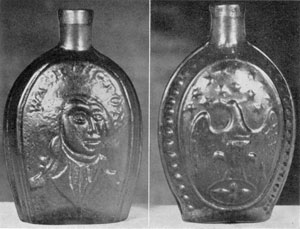
This article focuses on skilled glassblowers who created flasks in small and local glass houses in the Mid-West in the 1800s and discusses some of the rarest and most desirable flasks at the time of publishing. It originally appeared in the… Read more »
Lacy Sandwich Glass in Color
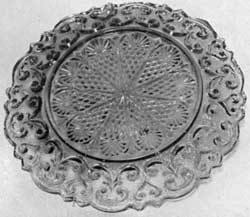
This article focuses on the history of the Sandwich Glass Company, established in 1825, and describes the wide variety of patterns that the company produced and their movement from clear flint glass to the production of as many colors as po… Read more »
Modern Glass Blowing Still Adheres to Ancient Traditions

This photo essay shows the steps glass blowers took to create intricate hand-blown glass items ('from bubble to goblet'). It originally appeared in the February 1938 issue of American Collector magazine, a publication which ran from 1933-19… Read more »
A Classic Design in Overlay Glass

This article details the process of glass enameling and describes a particular punch bowl set (pictured). It originally appeared in the September 1939 issue of American Collector magazine, a publication which ran from 1933-1948 and served a… Read more »
Glass But Too Late
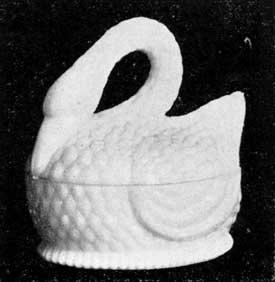
In this article, the author notes what she perceives as a decline in the standard of glass collecting at the time of publishing and addresses fads, the definition of “antique,” and reproductions. It originally appeared in the March 1941 iss… Read more »
Colorful American Blown Glass in the Victorian Manner
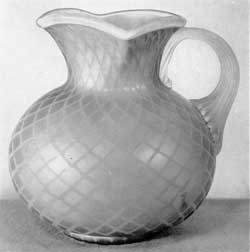
This article discusses colorful blown glass produced predominantly at the New England Glass Company and the Mount Washington Glass Company (although also attempted by various other glass manufacturers) in the 19th century. It notes some of … Read more »
Birch, the Forgotten Wood of Cabinetmakers

This article notes the various woods cabinetmakers have used, such as oak, mahogany, maple, and cherry, and argues that birch is comparable in quality and should be equally as desirable. It notes the limited locations in which birch was use… Read more »
Blown Molded Glass of New England
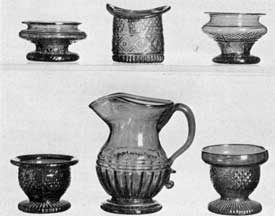
This article describes items that were to be sold at an auction shortly after its original publication, noting which items are rare and where they were found. It originally appeared in the April 1941 issue of American Collector magazine, a … Read more »
Ohio and Midwestern Glass

This article on Ohio and Midwestern glasshouses in the early 19th century focuses on techniques, designs, patterns, and types of wares made, as well as including a list of glasshouse towns and glassmakers. It originally appeared in the Nove… Read more »
Miniature American Blown Molded Glass

This article notes the process, patterns, and characteristics of blown glass and describes popular miniature blown objects, such as mini decanters and tumblers. It originally appeared in the August 1942 issue of American Collector magazine,… Read more »
The Similarity Between Ancient and Early American Glass
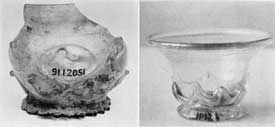
This article, written by the then-Associate Curator of the American Wing of the Metropolitan Museum of Art, notes the Egyptian influence on ancient glass (especially in Rome), the origins of blown and pressed glass, and the similarities bet… Read more »
Antique Marbles of Stone, Pottery and Glass

This article discusses the beauty and the magic of marbles, noting their popularity, their uses, the materials they are made from, and where collectors can find them. It originally appeared in the July 1942 issue of American Collector magaz… Read more »
Historical Flasks, American Primitive Portraits in Glass

This article describes American flasks depicting war heroes and presidents, noting the importance of each image. It originally appeared in the October 1942 issue of American Collector magazine, a publication which ran from 1933-1948 and ser… Read more »
Glass Slippers Shoes and Boots

This article describes the 19th-century glass slippers and boots pictured, noting which are the rarest and most desirable for collectors. It originally appeared in the June 1942 issue of American Collector magazine, a publication which ran … Read more »
English Royalty in Glass

This article describes royal commemorative glass, which became popular to celebrate the return and marriage of Charles II in the 17th century and continued through the 18th century depicting other important historical figures. It originally… Read more »